Crafting with a Conscience: Upcycling Trash into Useful Artifacts
Crafting with a conscience isn't just a trend--it's an inspired movement combining environmental awareness with creativity. As the world grapples with the mounting problem of waste, upcycling trash into useful artifacts stands as an ingenious solution for eco-conscious crafters. By giving discarded materials a fresh start, we not only reduce landfill contributions but also produce one-of-a-kind, meaningful creations.
What Is Upcycling?
Upcycling refers to the creative reuse of discarded materials, transforming them into products of higher value or utility. Unlike recycling, which often breaks down materials into their base elements, upcycling retains much of the original item's form, helping conserve energy and reduce carbon footprints. Whether it's turning old jars into elegant candleholders or denim jeans into trendy bags, upcycling art proves that beauty can emerge from the most unexpected places.
Why Upcycle? The Environmental and Creative Benefits
- Eco-Friendly Practice: Upcycling waste into functional items minimizes landfill waste, reduces the demand for virgin resources, and diminishes pollution.
- Encourages Creativity: Crafting with found objects pushes you to think outside the box and develop resourceful design skills.
- Cost-Effective: Using discarded items is budget-friendly. You spend less on new materials while nearly everything you need can be sourced for free.
- Personal and Unique: Each upcycled artifact tells a story, reflecting your style and ingenuity.
Starting Your Upcycling Journey
Embarking on the path of eco-conscious crafting is easy with the right mindset and a willingness to experiment. Here's how you can get started:
- Assess Your Waste: Identify everyday items that end up in your trash--glass bottles, tin cans, fabric scraps, worn-out furniture, etc.
- Research Inspirations: Platforms like Pinterest, Instagram, and eco-friendly blogs are goldmines for upcycling project ideas.
- Gather Tools: Basic crafting tools like glue, scissors, paint, sandpaper, and screws are a must-have for turning trash into art.
- Start Small: Begin with simple projects and progress to complex ones as you grow confident in your skills.
Ingenious Materials for Upcycling Artifacts
- Plastic Bottles and Containers - Make planters, organizers, or decorative lamps.
- Glass Jars - Transform them into candleholders, storage jars, or vases.
- Tin Cans - Upcycle as pen holders, lanterns, or flower pots.
- Old Fabrics and Clothes - Sew functional tote bags, coasters, or patchwork quilts.
- Cardboard Boxes - Create drawer dividers, photo frames, or kids' playhouses.
- Broken Furniture - Repurpose as plant stands, shelves, or pet beds.
10 Upcycling Projects: Transforming Trash into Treasure
- Plastic Bottle Vertical Gardens: Cut bottles in half, hang them on a wall, fill with soil, and add herbs or succulents.
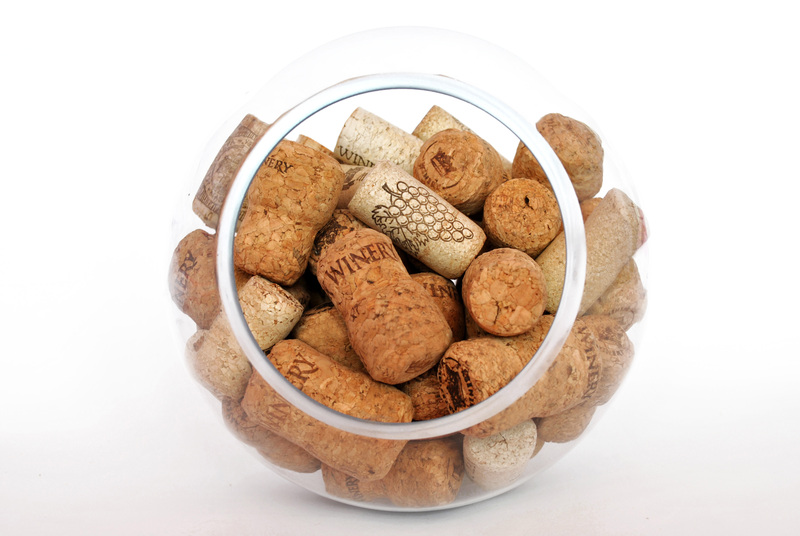
- Wine Cork Bulletin Boards: Glue used wine corks to a frame or tray to create a unique message center.
- Denim Tote Bags: Use old jeans, add sturdy straps, and embellish with patches for a rugged, personalized bag.
- Tin Can Lanterns: Punch holes in clean cans, paint, and insert tea lights for enchanting outdoor lighting.
- Mosaic Tabletops: Break old crockery and glue the pieces onto a table surface for a colorful mosaic effect.
- Drawer Pull Picture Hangers: Upcycle old handles or knobs into elegant wall hooks for hanging artwork.
- Pallet Wood Shelves: Take apart wooden pallets and reshape them into rustic shelves for books or plants.
- CD Sparkle Art: Cut shattered CDs into shapes and glue them to frames or mirrors for a dazzling effect.
- Egg Carton Flowers: Paint and assemble the sections to make everlasting flower arrangements.
- Jar Lid Magnets: Decorate old jar lids and stick magnets on the back to create custom fridge decor.
Tips for Success in Eco-Conscious Crafting
- Safety First: Use gloves, goggles, and masks when handling sharp or toxic materials.
- Preparation Is Key: Clean and dry all materials thoroughly before starting your project.
- Think Multi-Use: Whenever possible, design artifacts that serve more than one purpose.
- Have Fun with Design: Experiment with colors, shapes, and textures. *Imperfection can add charm and character!*
- Share and Inspire: Post your creations on social media with hashtags like #UpcycledArt to motivate others.
Reducing Waste at Home: Building a Culture of Upcycling
One of the most meaningful ways to support sustainability is by incorporating upcycling into daily routines. From encouraging children's creativity with household scraps to conducting community workshops, spreading awareness about responsible crafting can have a ripple effect.
- Host Upcycling Parties: Invite friends or family to collective crafting sessions, exchanging ideas and materials.
- Organize Donation Drives: Collect unused items from neighbors for group upcycling projects, benefiting local charities.
- Support Upcycling Businesses: Patronize artisans and brands committed to circular economy principles.
- Educate and Advocate: Share knowledge in schools, workplaces, or online to ignite a passion for eco-friendly creation.
Economic Impact of Upcycling Artifacts
The rise of upcycled artifact businesses is boosting local economies by transforming waste into marketable goods. Individuals are selling creations via online marketplaces, craft fairs, and social media. This trend is not only profitable but also helps shift market demand toward sustainable products. Supporting handcrafted upcycled goods demonstrates a commitment to both artistry and environmental responsibility.
Upcycling vs. Recycling: Key Differences
- Upcycling: Directly repurposes materials into new items of higher value without breaking them down into raw components.
- Recycling: Involves processing materials to recover usable raw forms (like melting plastics or metals), often with substantial energy use.
- Environmental Impact: Upcycling typically consumes less energy, preserving more of the original material's integrity.
- Creative Expression: Upcycling allows for more artistic freedom and originality, often resulting in unique, personal pieces.
Case Studies: Success Stories in Upcycling
- Plastic Roads in India: Discarded plastic bags and bottles are mixed with asphalt, making durable roads while reducing waste pollution.
- Eco-Fashionistas Worldwide: Designers turn textile waste into high-fashion garments, showcased on international runways.
- Furniture Redesigners: Artisans convert old doors and pallets into designer tables, chairs, and decor items sold on Etsy.
- Artists Using E-Waste: Sculptors build intricate installations from obsolete electronics, raising awareness about e-waste management.
Challenges in Upcycling Trash into Useful Artifacts
- Limitations of Materials: Not all waste is suitable for upcycling, especially those contaminated or made from hazardous substances.
- Time and Skill Investment: Some upcycling projects require learning new techniques or investing significant labor.
- Market Acceptance: Educating buyers about the value of upcycled products remains an ongoing challenge for artisans.
- Supply Consistency: Accessing a reliable stream of the right "trash" can be difficult for large-scale upcycling businesses.
Tips for Making Upcycled Artifacts More Appealing
- Polish Your Finish: Sand, paint, or varnish to give a professional look.
- Tell a Story: Include labels or tags with the history of the materials used.
- Functionality First: Prioritize practical utility to attract a broader audience.
- Collaborate with Artists: Team up with local makers for cross-disciplinary inspiration.
Future of Upcycling and Sustainable Crafting
The rising tide of environmental awareness, combined with new platforms for global sharing, signals a promising future for crafting with a conscience. As innovation flourishes, expect to see advancements in material science, design software for upcycled projects, and policy incentives for sustainable crafting. The circular economy will continue to evolve, fostering connections between crafters, consumers, and communities devoted to waste reduction.
Resources for Upcyclers and Conscious Crafters
- Online Communities: Reddit Upcycling, Facebook groups, Instructables
- Workshops and Classes: Local community centers, online learning platforms such as Skillshare or Udemy
- Supplies Sourcing: Thrift stores, Freecycle, Buy Nothing groups, and local recycling centers
- Upcycling Blogs: Upcycle That, Trash Backwards, The Upcycle Movement
Conclusion: Your Role in the Upcycling Revolution
By embracing crafting with a conscience and transforming trash into practical art, you become part of a movement that values creativity, responsibility, and sustainability. Each artifact you create contributes to a cleaner planet and a more imaginative community. Let your next project be a celebration of resourcefulness--where "trash" is simply the start of something extraordinary.