Business waste removal in Woolwich
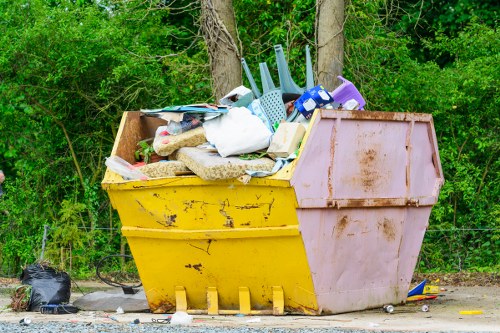
Business waste removal in Woolwich needs a tidy, dependable process, especially when premises generate mixed materials that cannot simply be left for ordinary collections. Our service is set up for workplaces that want waste taken away in a planned way, with attention to segregation, loading and lawful handling. That includes recurring clear-outs, one-off removals and practical support for items that build up in offices, shops, workshops and other commercial premises.
We handle a broad range of commercial waste streams with a focus on efficient removal and sensible sorting. Typical loads may include office furniture, packaging, general rubbish, fittings, shelving, bagged waste and surplus items from storage areas. Where suitable, we can also deal with larger pieces that need careful lifting and dismantling before transport, helping the space return to normal use without unnecessary disruption. Enquire for a quotation when you are ready to compare the work you need with the volume you want taken away.
For many customers, the most useful first step is to separate the waste by type and note anything awkward to move. A concise description of the items, access points and likely volume helps us plan the job properly and advise on the most suitable service route. If you are dealing with mixed contents, it can be helpful to list what should stay, what can go, and whether there are any bulky pieces that need disassembly before collection.
Commercial waste clearance for offices and business premises
Office and premises clearances often involve a combination of everyday rubbish and larger items that have accumulated over time. We can remove desks, chairs, filing units, cupboards, partitions, packaging and general commercial waste from occupied or vacated spaces. The aim is to create a straightforward clear-out that respects the layout of the property, whether you need part of a floor cleared or a fuller office purge before reconfiguration.
Where business waste includes furniture or fixtures, we plan the removal around safe handling and practical access. Some items may need to be carried through narrow corridors, down stairs or out of shared entrances, so the loading method matters. In many cases, a selective approach works best: keep active equipment in place, remove redundant items first, and then clear the remaining waste without turning the process into a wholesale upheaval.
Sorting recyclable and non-recyclable materials
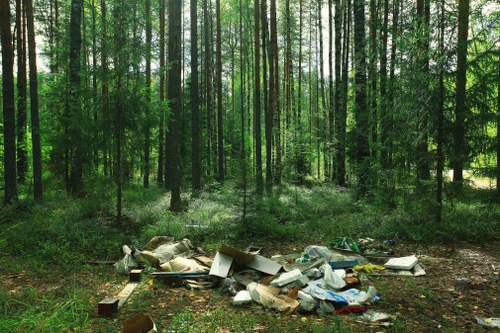
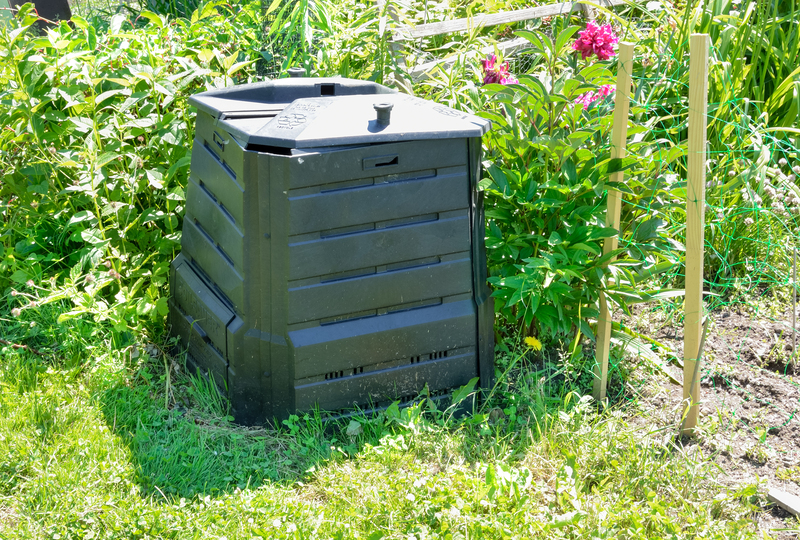
Many customers want business waste removed in a way that makes sorting as clear as possible. Mixed loads can include cardboard, paper, plastics, metals, timber, textiles and general refuse, and these materials do not all follow the same route. Our work focuses on separating what can be directed towards recycling from what must be treated as residual waste, helping the collection stay organised from the start.
That sorting matters for both practical and environmental reasons. The more clearly a load is prepared, the easier it is to identify reusable or recyclable material and to avoid unnecessary confusion at the point of collection. Clear separation also helps when a business is clearing storage rooms, stock areas or back-of-house spaces where items have been left together for convenience rather than disposed of properly.
Useful ways to prepare include keeping documents or sensitive papers apart from general rubbish, identifying metal items that are no longer in use, and setting aside anything that may require specialist disposal. If you need guidance on the range of materials in your load, our team can talk through the likely categories before collection so you know what is being taken and how it can be managed.
Office furniture, fixtures and bulky items
Office furniture is a common part of business waste removal because desks, chairs, cabinets and storage units often outlast their usefulness in the workplace. These items can be awkward to move in bulk, especially where corridors are tight or the furniture has to pass through shared entrances. We therefore treat bulky removals as a planning task as much as a lifting task, so the job is carried out in a controlled way.
Where suitable, we can remove a mixture of furniture and smaller waste in the same visit, reducing the need for multiple arrangements. This is particularly useful when an office is being refreshed, downsized or emptied before a new layout is introduced. If some items are to be retained, it helps to mark them clearly so the removal stays focused on the waste and avoids unwanted disruption to working areas.
Pricing and quotes is a useful place to look if you want a clearer sense of how quotations are usually prepared for different waste volumes and item types. The final figure can depend on load size, access, sorting requirements and the nature of the materials, so a brief description of the job is often the best starting point for an accurate estimate.
One-off clearances and scheduled removals
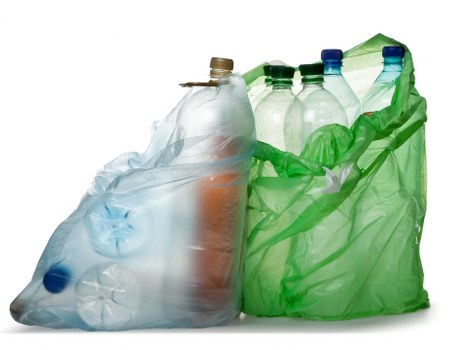
Some businesses need a single clearance after a move, reorganisation or stock change, while others prefer regular waste removal to keep storage areas under control. Both approaches benefit from the same core principle: waste should be gathered, loaded and removed in a way that matches the pace of the business rather than interrupting it. We can therefore tailor the service to a one-off project or a repeating pattern of collections.
Scheduled removals are often useful for premises that produce waste steadily but not always in large amounts. Rather than letting materials pile up, a recurring collection can keep the site manageable and make it easier to maintain clear walkways, storerooms and work zones. One-off clearances, by contrast, are often more suitable when there is a single build-up to deal with after a relocation, refurbishment or de-cluttering exercise.
If you are planning ahead, keep a simple note of the item types, the access route and the preferred date window. A practical list makes conversations about the job much easier and helps prevent surprises on the day. You do not need to over-prepare; just enough detail to show whether the waste is mostly general, bulky, recyclable or a mixture of different materials.
Secure handling for sensitive business waste
Some business waste needs a little more care than general clearance because it may include papers, files, packaging with customer details or other material that should not be left exposed. In those cases, the emphasis is on careful handling, sensible containment and a straightforward removal route. Where confidential shredding is part of the job, the priority is to keep sensitive material separate from ordinary waste from the start.
We also treat mixed contents with attention to the practical distinctions between items that can be recycled and items that need standard disposal. For example, a filing area may contain cardboard, paper and obsolete equipment together, but each of those materials may require a different handling decision. Keeping the categories clear avoids unnecessary re-sorting and makes the overall clearance process cleaner and easier to manage.
For businesses with back-room archives, clearance cupboards or storage spaces that need a reset, the most helpful step is usually to identify which materials are to be removed and which are staying on site. That simple boundary helps the collection move quickly and keeps the service focused on the waste rather than on sorting unrelated contents during the visit.
Business waste services shaped around your load
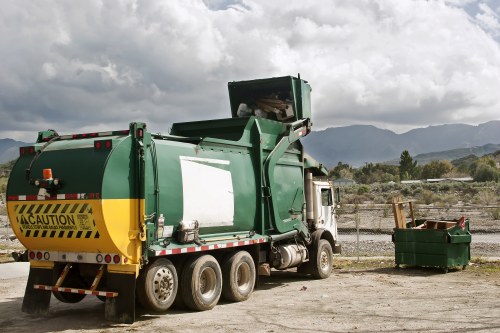
Different types of premises generate different kinds of waste, so the service needs to be practical rather than generic. Shops may have packaging and display materials, offices may have furniture and paper, and workshops may produce a heavier mix of scrap, offcuts and damaged items. We adapt to those differences by treating the load as it is presented, not as a one-size-fits-all job with fixed assumptions.
The main decisions are usually about volume, access and material type. A compact office clear-out may be easier to organise than a mixed load from several rooms, while a heavier commercial collection may need extra care for lifting and loading. Good planning means those practical points are considered before the removal begins, so the work can be completed efficiently and without unnecessary handling. You can request a quotation once you have a clear idea of the items involved.
Business waste removal covers the core service if you want to revisit the general scope before selecting a more specific support page. That can be useful when you are comparing a routine clearance with a different kind of commercial waste project or when you want to understand how the main service relates to larger or more specialised removals.
About Woolwich
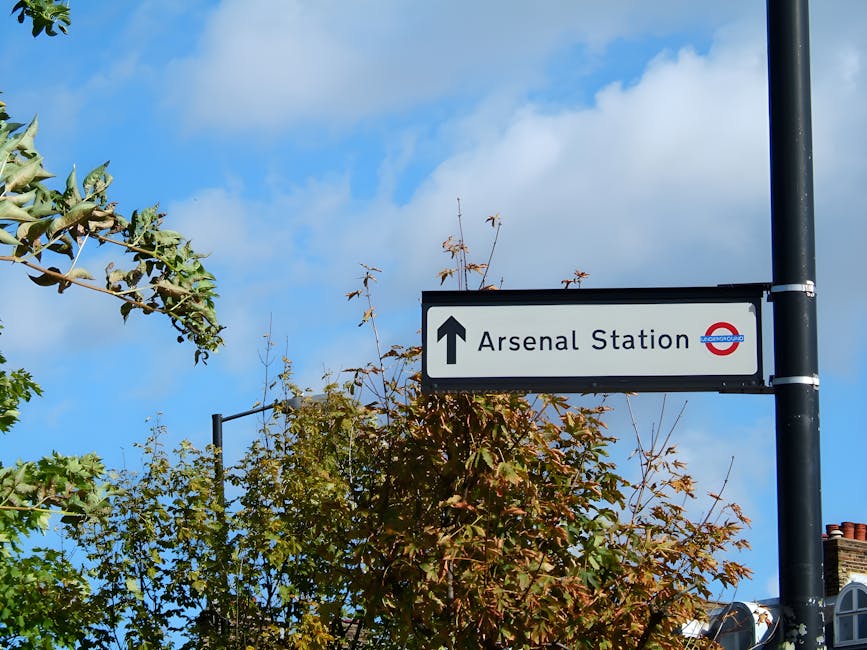
Woolwich is a district in southeast London on the south bank of the River Thames, within the Royal Borough of Greenwich. Its riverside position has long shaped its identity, and the area developed as an important centre for military, industrial and transport activity. The Royal Arsenal, established in the late seventeenth century and expanded over time, became one of the best-known parts of Woolwich’s history, influencing local employment, land use and the built environment. The district also sits near Woolwich Ferry, which has linked the north and south banks since the nineteenth century, and Woolwich Arsenal station, a major interchange that ties rail, DLR and bus travel together. Historic streets, newer riverside development and long-established civic buildings sit close to one another, giving the area a varied urban character. The Royal Arsenal site now includes restored warehouse buildings, apartment blocks and public routes, while nearby Woolwich Town Hall reflects the borough’s later civic life with its ornate Victorian architecture. Open spaces also form part of the area’s identity, including Woolwich Common and the Thames-side walkways that allow broader views of the river corridor. Cultural life is represented by theatres, community venues and local markets, alongside everyday shopping streets that serve residents and workers. Woolwich has changed repeatedly through military decline, redevelopment and transport investment, yet it remains recognisable as a historic riverside district with strong links to the Thames, significant architecture and a layered sense of place.
Industrial, retail and back-of-house removals

Not all commercial waste is generated in front-facing offices. Many removals come from rear storage rooms, delivery areas, stock cupboards, plant spaces or workshop corners where broken items and surplus materials gradually collect. Clearing those places often needs careful attention to route planning, because access can be tighter and the contents less uniform. The service is therefore built to cope with both ordinary waste and awkwardly positioned items that are hard to shift by internal staff alone.
Retail and operational premises may also need items removed in stages. Shelving, packaging waste, worn displays and redundant stock can be dealt with alongside general rubbish, provided the load is described clearly in advance. In more industrial settings, the waste may be heavier or more varied, so it helps to note whether the materials are loose, bagged, palletised or fixed in place. That information supports a smoother collection and a more realistic quotation.
Useful related pages include office clearance for workspace-focused removals, furniture clearance for redundant items and builders waste clearance where construction debris is part of the load. If you are comparing service types, waste removal offers a broader overview of general collection options, while recycling and sustainability explains the approach to sorting and material recovery in more detail.
Planning a clear quotation
Quotation details are usually simplest when the waste is described in plain terms. A list of the main items, approximate volume, access conditions and any particularly heavy or delicate pieces gives a better basis for pricing than a vague description alone. It also helps if you can say whether the job is a same-day clear-out, a planned future collection or a staged removal over more than one visit. That practical information supports a clearer estimate.
If your waste includes mixed materials, mention the balance between general rubbish and larger objects such as furniture or fixtures. A load made up mostly of bagged refuse is different from a clear-out that requires dismantling or careful carrying from upper floors. The more accurately the contents are described, the easier it is to match the right approach to the job and avoid awkward adjustments later.
For straightforward next steps, contact us to discuss the job, or use the details on this page to outline what needs to be removed and when. If you are still refining the scope, you can first review book online for the form of enquiry route provided on the site. Either way, the aim is to make the first conversation simple, so the quotation reflects the work you actually need.