Woolwich Arsenal Station Rubbish Removal Guide
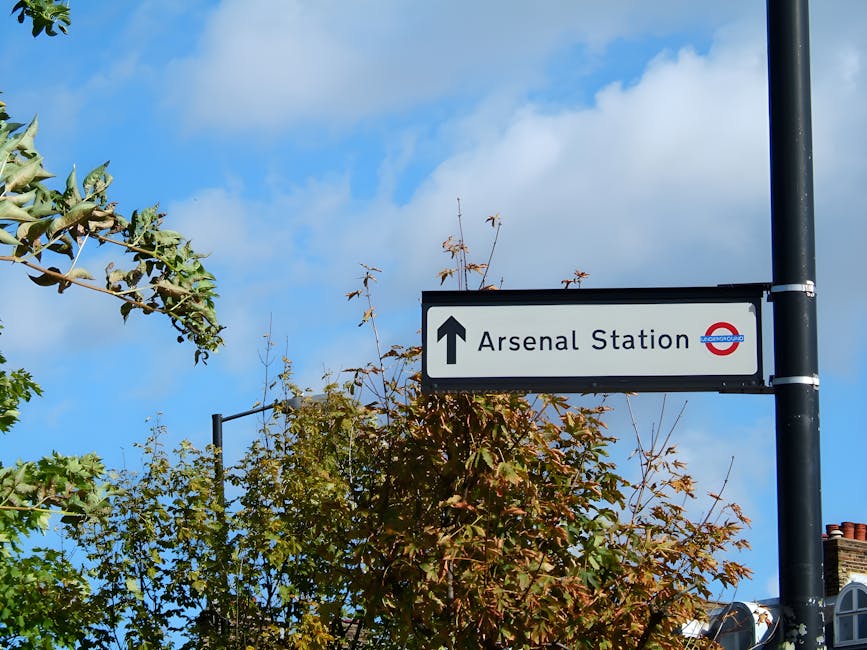
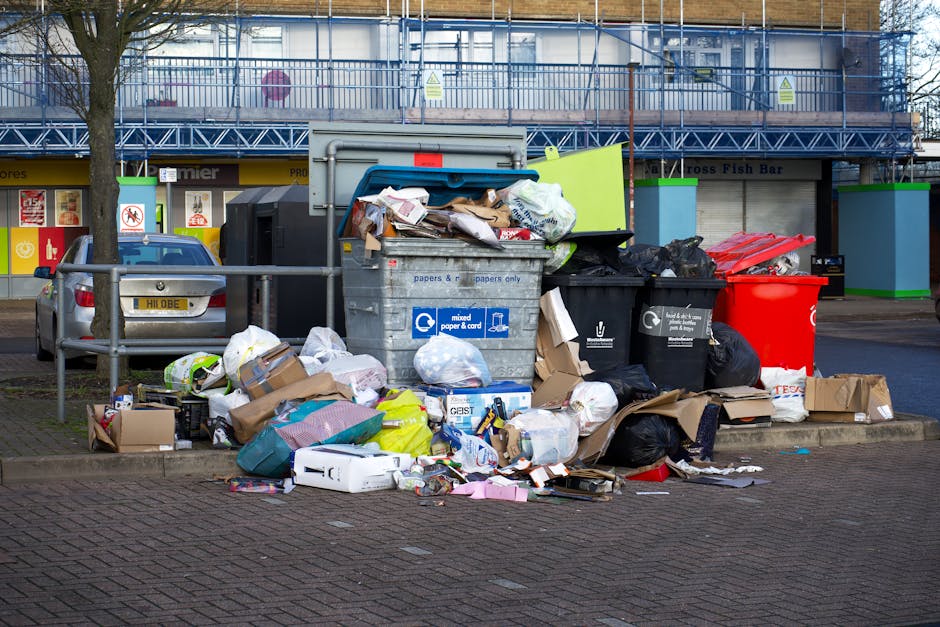
If you are dealing with awkward bags, old furniture, builder offcuts, or a stubborn pile that has been sitting near a flat, shop, or office around Woolwich Arsenal Station, you are probably looking for a clear, no-nonsense way to get it sorted. This Woolwich Arsenal Station Rubbish Removal Guide explains what to do, what to avoid, and how to choose the right rubbish removal approach without making the job harder than it needs to be. It is written for real-world situations: a quick clear-out before a move, a post-refurbishment clean-up, or simply reclaiming space that has quietly disappeared under clutter. Let's face it, rubbish has a habit of growing legs when nobody is looking.
In the sections below, you will find a practical walkthrough, local considerations, common mistakes, and a simple checklist to help you move from "I need this gone" to "that's finally done". Where it helps, we also point you to useful pages on waste removal options, house clearance support, and easy online booking so you can act on the information straight away.
Table of Contents
- Why Woolwich Arsenal Station Rubbish Removal Guide Matters
- How Woolwich Arsenal Station Rubbish Removal Guide Works
- Key Benefits and Practical Advantages
- Who This Is For and When It Makes Sense
- Step-by-Step Guidance
- Expert Tips for Better Results
- Common Mistakes to Avoid
- Tools, Resources and Recommendations
- Law, Compliance, Standards, or Best Practice
- Options, Methods, or Comparison Table
- Case Study or Real-World Example
- Practical Checklist
- Conclusion
- Frequently Asked Questions
Why Woolwich Arsenal Station Rubbish Removal Guide Matters
Woolwich Arsenal Station sits in a busy part of southeast London, where homes, flats, offices, and trade activity overlap in a fairly tight area. That matters because rubbish removal is rarely just about taking things away. It is about access, timing, safety, neighbours, and making sure waste leaves the area properly. A bag left in the wrong place can be an obstruction. A mattress dumped in a shared entrance can cause complaints. A stack of builders' waste outside a property can make a small job feel like a bigger headache than the job itself.
This guide matters because the wrong disposal choice can cost time, money, and goodwill. If you are in a block of flats, near a busy road, or working against train times and tight delivery windows, you need a disposal plan that fits the setting. That might mean a fast collection, a full property clear-out, or a more structured service for mixed waste. For larger or more complex jobs, it can help to compare dedicated options such as builders' waste clearance, office clearance, or even garage clearance depending on what you actually need removed.
There is also a trust element. Waste must be handled responsibly. You do not want to hand material over to the first person who says they can "do it cheap". You want a process that is safe, traceable, and appropriate for the type of waste involved. That bit gets overlooked far too often.
Practical takeaway: rubbish removal around Woolwich Arsenal Station works best when you treat it as a logistics job, not just a lifting job. The smoother the planning, the less stressful the collection.
How Woolwich Arsenal Station Rubbish Removal Guide Works
In simple terms, rubbish removal follows a fairly predictable flow: identify the waste, sort anything that needs special handling, choose the right disposal method, and arrange collection or drop-off. The details vary depending on volume, access, and what is being thrown away. A single old sofa is different from a mixed pile of renovation debris. Garden bags are different from confidential papers. Fridges are different again. Obvious, maybe, but it is exactly where people trip up.
For a local job around Woolwich Arsenal Station, the first thing to work out is whether the waste is light household clutter, bulky items, business waste, or something hazardous. If it is a regular domestic clear-out, a general home clearance or flat clearance may be the best fit. If it is office paperwork, broken desks, and archive boxes, then confidential shredding or business waste removal might be more sensible. If it includes old appliances, look at fridge and appliance removal because those items often need extra care.
The collection process usually becomes much easier when the waste is placed somewhere accessible and separated by type. You do not need to over-sort every last item, but a little effort makes a big difference. For example, putting plasterboard apart from wood, or keeping electricals out of general rubbish, saves time on-site and helps ensure the right handling route is used.
Sometimes the best approach is a one-off load and go. Sometimes it is a broader clear-out. There is no one-size-fits-all answer here, and that is fine. The best rubbish removal plan is the one that matches the job in front of you.
Key Benefits and Practical Advantages
The biggest benefit is obvious: you get your space back. But there are a few more advantages worth spelling out, because they are the ones people feel later, often within the same day.
- Less clutter and less stress: A clear room, yard, or entrance changes how the whole place feels. Even a small pile of rubbish can make everything seem half-finished.
- Better safety: Loose waste, sharp edges, and stacked items create trip and cut risks, especially in shared buildings or narrow access areas.
- Faster turnaround: If you are moving, letting, renovating, or reopening a space, removal done well keeps the schedule moving.
- More suitable handling: Different waste streams can be separated properly, which is better for recycling and responsible disposal.
- Less disruption to others: Neighbours, tenants, customers, and staff appreciate a tidy entrance and quick clearance. To be fair, everyone does.
There is also a hidden benefit: decision relief. When rubbish piles up, people spend energy thinking about it, stepping around it, and quietly resenting it. Once it is gone, that mental drag lifts. You notice it most in the little moments: the hallway that suddenly feels wider, the yard that smells less stale, the office that stops looking temporary.
If sustainability matters to you, it is worth looking at how a provider handles reusable and recyclable material. A responsible approach is usually better aligned with recycling and sustainability practices, especially when your load includes timber, metal, cardboard, textiles, or electrical items.
Who This Is For and When It Makes Sense
This guide is useful for a wide range of people, and the common thread is simple: you have waste that needs to go, and you want it handled properly.
Homeowners and tenants: Maybe you are clearing a flat before a move, dealing with end-of-tenancy clutter, or finally getting rid of the furniture that has been "temporarily" stored in the spare room for six months. A practical service such as furniture clearance or mattress and sofa disposal can make life a lot easier.
Landlords and letting agents: If a property needs to be turned around quickly after a tenant move-out, speed matters. You may need a mix of general waste, furniture, white goods, and the odd surprise item in the cupboard. Happens more than people admit.
Builders and tradespeople: Renovation waste can accumulate fast. Offcuts, rubble, packaging, plasterboard, and broken fixtures all need removing in a way that keeps the site safe. In these cases, builders' waste clearance is usually the closest match.
Businesses: Shops, offices, and small commercial premises often need discreet removal for old stock, broken equipment, archived files, and redundant furniture. A structured approach through office clearance or business waste removal tends to work best.
People with awkward spaces: Lofts, garages, and gardens are classic "we will deal with it later" zones. If later has arrived, you may want a service aimed at exactly that sort of mess, like loft clearance or garden clearance.
Step-by-Step Guidance
If you want the cleanest possible process, follow these steps in order. Nothing fancy. Just the bits that actually help.
- Identify the waste type. Separate household junk, furniture, garden waste, builders' waste, electrical items, and anything sharp or hazardous.
- Check access. Think about stairs, lifts, parking, loading space, and whether the items need to come through a narrow entrance. If a sofa needs to pass a tight hallway, measure it first. Saves everyone a headache.
- Remove obvious risks. Put aside needles, chemicals, heavy liquids, broken glass, and anything that needs special handling. Do not bundle it all together and hope for the best.
- Decide the disposal method. For a small amount, a collection service may be enough. For larger or mixed waste, a broader waste removal plan may be more efficient than several separate trips.
- Gather a clear description. List the main items, estimate volume, and mention any awkward access or timing restrictions. The more accurate the description, the better the outcome.
- Book at a suitable time. If you are near Woolwich Arsenal Station, aim for a window that avoids the worst congestion and building access issues. Early morning can work well in some cases; later slots work better elsewhere. It depends.
- Prepare the space. Move small valuables, open gates if needed, and keep routes clear. A few minutes of prep often saves twenty minutes on the day.
- Confirm final handling. Ask how recyclable material, appliances, and special items will be treated. You want confidence, not guesswork.
If you are unsure what can go into a vehicle or mixed load, it is worth reading the practical guidance on what can go in a skip. Even if you are not booking a skip, the sorting principles are still helpful.
Expert Tips for Better Results
Here is the bit that tends to make the difference between a smooth job and an annoying one.
Be realistic about volume. People often underestimate how much space an item takes once it is out of the corner and in the open. That old wardrobe is rarely as small as memory suggests.
Group similar items together. Bagged rubbish in one place, furniture in another, electricals in a third. It helps with loading and keeps handling simpler.
Keep pathways clean. In shared buildings, the route matters almost as much as the waste pile itself. Clear the path before collection starts. Simple, but easy to overlook.
Flag awkward or sensitive items early. Fridges, confidential files, paint, batteries, and sharp waste should never be a surprise on the day. Mention them in advance and avoid last-minute problems.
Think about timing around neighbours and tenants. Some buildings are lively in the morning, quieter at midday, then busy again by evening. A little coordination goes a long way. Nobody wants a loud shuffle of furniture at the exact moment someone is trying to get a child to nap.
Use the right specialist service when needed. A sofa is not the same as a filing cabinet, and garden waste is not the same as building rubble. If your load is specific, choose a service that clearly suits it, such as furniture disposal or garage clearance.
And one more thing: if your rubbish pile has become part of the furniture, so to speak, take a breath and tackle it in layers. You do not need to do the whole thing in one heroic burst.
Common Mistakes to Avoid
Most rubbish removal problems come from a few repeated mistakes. Easy to avoid once you know them.
- Leaving everything mixed together: General rubbish, electronics, hazardous items, and furniture all in one heap makes the job slower and sometimes unsuitable.
- Ignoring access issues: Tight stairs, no parking, or a locked gate can derail an otherwise simple collection.
- Forgetting special items: Fridges, mattresses, and chemicals are often forgotten until the last minute.
- Choosing on price alone: Cheap can turn expensive if the provider is unclear, slow, or not properly set up for the waste type.
- Not checking what is included: Loading, lifting, disposal handling, and timing should all be clear before the job starts.
- Leaving the job until it becomes urgent: Urgent clearances are possible, but they are less comfortable, less flexible, and usually more stressful.
One common issue near busy transport hubs is assuming collection vehicles can always stop wherever is most convenient. In reality, access and stopping space matter a lot. If a collection point is awkward, mention that early. It is much better to say "there is limited loading space" than to discover it on the day.
Tools, Resources and Recommendations
You do not need a van full of specialist gear for a typical clear-out, but a few practical tools help a lot. Heavy-duty bags, gloves, tape, a marker pen, a dustpan, and a torch are enough for many small jobs. If you are clearing a loft, a garage, or a garden shed, you may also want a mask, sturdy shoes, and a basic first-aid kit nearby. Again, boring stuff. Very useful though.
For planning, use a simple room-by-room or area-by-area list. That way you can decide what stays, what gets donated, what gets recycled, and what needs disposal. If the job is more extensive, a broader clearance page such as house clearance or home clearance may be more helpful than trying to piece together a solution yourself.
For cost and booking clarity, it is sensible to review pricing and quotes alongside the booking process. A transparent quote is one of the best signs that the job is being handled professionally. If payment security matters to you, there is also a useful overview on payment and security.
And if your waste includes sensitive paperwork, hard drives, or anything that should never sit in a general bin, take a moment to plan for confidential shredding. That one is easy to forget until it is too late.
Law, Compliance, Standards, or Best Practice
Waste disposal in the UK is not just a matter of convenience. There are legal and practical expectations around responsible handling, especially for business waste, hazardous items, and materials that could harm people or the environment if dealt with badly. You do not need to become a compliance expert overnight, but you should expect any provider to handle waste in a sensible, lawful way.
For domestic waste, the key point is still responsibility. Do not place items in the wrong stream if they require special treatment. For commercial waste, there is usually a higher expectation of traceability, proper segregation, and documented handling. If you are managing an office or shop near Woolwich Arsenal Station, that matters. A tidy clear-out is good; a properly handled one is better.
Hazardous items deserve extra care. Paints, solvents, chemicals, batteries, and similar materials should be kept separate and handled by the correct route. If your clearance includes anything potentially harmful, it is worth using a dedicated hazardous waste disposal service rather than improvising.
It is also good practice to check safety expectations for loading, lifting, and on-site work. Professional providers should have clear procedures, and you can look at their stated approach through pages like health and safety policy and insurance and safety. Those pages do not replace common sense, but they do signal how seriously a company treats the job.
When in doubt, ask straightforward questions: What happens to mixed waste? How are bulky items handled? Are appliances separated? What if something turns out to be hazardous? Good answers tend to be clear and calm, not vague and rushed.
Options, Methods, or Comparison Table
There are usually three common ways to deal with rubbish around Woolwich Arsenal Station: do it yourself, use a skip, or book a collection-based clearance service. Each has a place. The best choice depends on access, time, waste type, and how much lifting you want to do yourself.
| Method | Best for | Strengths | Limitations |
|---|---|---|---|
| DIY disposal | Very small amounts, light waste, local trips | Flexible if you have transport and time | Can be tiring, slow, and awkward for bulky items |
| Skip-based solution | Ongoing work, larger projects, predictable waste streams | Good for repeated loading, practical for building jobs | Less convenient for upper-floor properties or restricted access |
| Collection-based rubbish removal | Bulky items, mixed household waste, quick clear-outs | Fast, labour-saving, often best for flats and tight access | Needs accurate description and good scheduling |
If you are weighing up a skip, the guidance on what can go in a skip is useful because it highlights the practical sorting issues that catch people out. But if your waste is sitting upstairs, spread across rooms, or too bulky to move yourself, a collection service will often be the calmer option.
For one-off domestic jobs, collection is usually simpler. For renovation projects, skip use can make sense. For office closures or mixed property clearance, a tailored removal plan tends to be best. No big mystery there.
Case Study or Real-World Example
Imagine a small flat a short walk from Woolwich Arsenal Station. The tenant has moved out, leaving a broken chair, a mattress, two bags of general rubbish, a fridge, and a few cardboard boxes in the hallway. Nothing dramatic. But the property needs to be ready for viewing quickly, and the hallway is narrow, with limited space to manoeuvre. That is exactly the kind of job where planning matters more than brute force.
The sensible approach is to separate the items before collection day. The fridge is flagged for appliance handling. The mattress is grouped with bulky furniture. The cardboard is flattened. The remaining bags are checked for anything sharp or awkward. Because access is tight, the collection window is chosen carefully, and the route from the flat to the vehicle is cleared in advance.
What happens next is almost always the same: the job feels smaller once the pieces are organised. The fridge is removed first, then the furniture, then the loose waste. In under an hour, a space that felt cramped and overdue for attention suddenly looks ready again. The corridor smells less stale, the floor is visible, and the letting process can move on. Nothing magical. Just a tidy system.
In a different scenario, an office near the station might need old desks, archives, and a few redundant chairs taken away after a downsizing decision. There, the priority changes slightly: confidentiality, disruption control, and timing before staff return the next morning. The principles are the same, but the emphasis shifts. That is the real lesson. Good rubbish removal adapts to the site, not the other way around.
Practical Checklist
Use this simple checklist before you book or begin a clearance.
- Identify what needs removing and roughly how much there is.
- Separate furniture, general rubbish, electrical items, and hazardous waste.
- Check access routes, stairs, lifts, parking, and loading space.
- Measure bulky items if they need to pass through tight gaps.
- Remove anything personal, confidential, or valuable from the waste pile.
- Keep sharp or dangerous items apart from everything else.
- Decide whether you need general waste removal, specialist disposal, or a full clearance.
- Review booking, timing, and pricing details before confirming.
- Ask how recyclable and reusable material will be handled.
- Make sure the path from the property to the collection point is clear.
If you can tick off most of those items, you are in good shape. If not, that is fine too. Better to slow down for ten minutes now than spend the rest of the day solving avoidable problems.
Conclusion
Rubbish removal around Woolwich Arsenal Station does not need to be stressful. With a little planning, a clear idea of the waste type, and the right disposal method, you can get a busy, cluttered space back under control without drama. The main thing is to match the method to the job: general waste for general waste, specialist handling for specialist items, and a proper clearance service when the pile is more than a quick DIY lift.
What helps most is a calm, practical approach. Sort first, book sensibly, keep access in mind, and choose a service that explains things plainly. That is usually the difference between a messy afternoon and a smooth, finished result. And honestly, the finished result is worth it. A clear space changes the whole feel of a property.
If you are ready to take the next step, use the information above to narrow down what you need, then make your enquiry with confidence. One good decision now saves a lot of faffing later.
Get a free quote today and see how much you can save.
Frequently Asked Questions
What is the best rubbish removal option near Woolwich Arsenal Station?
The best option depends on the waste type, volume, and access. For bulky household items or mixed clear-outs, a collection-based service is often easiest. For building work, a more specific option like builders' waste clearance may be a better fit.
Can I dispose of furniture with general rubbish?
Usually, furniture should be separated from loose rubbish where possible. Sofas, mattresses, wardrobes, and similar items are easier to handle when grouped together, and some items may need specialist disposal routes.
How do I know if an item is hazardous?
If it contains chemicals, solvents, batteries, oils, or other potentially harmful materials, treat it cautiously. When you are unsure, keep it separate and ask for guidance before collection. Better safe than sorry, frankly.
Do I need to sort waste before collection?
You do not need to overdo it, but basic sorting helps a lot. Separate furniture, general rubbish, electrical items, cardboard, and anything hazardous. That makes loading quicker and reduces confusion on the day.
Is rubbish removal suitable for flats and upper-floor properties?
Yes, and it is often the most practical choice. Flats can be awkward for skips or DIY loading, especially with stairs, limited parking, or shared entrances. Collection services are usually well suited to that kind of access.
What happens to items that can be recycled?
Responsible providers aim to separate recyclable material where possible. Metal, wood, cardboard, and certain electrical items may be processed differently from general waste. You can also review a provider's approach to recycling and sustainability if that matters to you.
Can I book rubbish removal for business premises?
Yes. Offices, shops, and other commercial premises often need regular or one-off waste removal. Business waste and office clearance services are designed for that sort of need.
How far in advance should I arrange a clearance?
As early as you can, especially if access is tricky or the job is time-sensitive. For straightforward jobs, short notice may be possible. For larger or more specific clearances, a bit of lead time helps.
Do I need to be on site during collection?
Not always, but someone should usually be available to confirm what is being removed and to answer any access questions. If keys, entry codes, or site rules are involved, make those clear beforehand.
What should I do with confidential papers?
Keep them separate from general rubbish and arrange secure handling. Confidential shredding is the sensible route for documents that should not go into mixed waste.
What if I only have one or two bulky items?
That is still worth arranging if the items are awkward or heavy. A single sofa, mattress, or fridge can be more difficult than several bags of rubbish. Small jobs are often exactly where a professional removal service saves the most effort.
How do I get a quote without overcomplicating things?
List the main items, estimate the amount of waste, and mention access details such as stairs, parking, or loading restrictions. Clear information usually leads to a clearer quote, which is exactly what you want. If you are ready, start with pricing and quotes and move from there.